
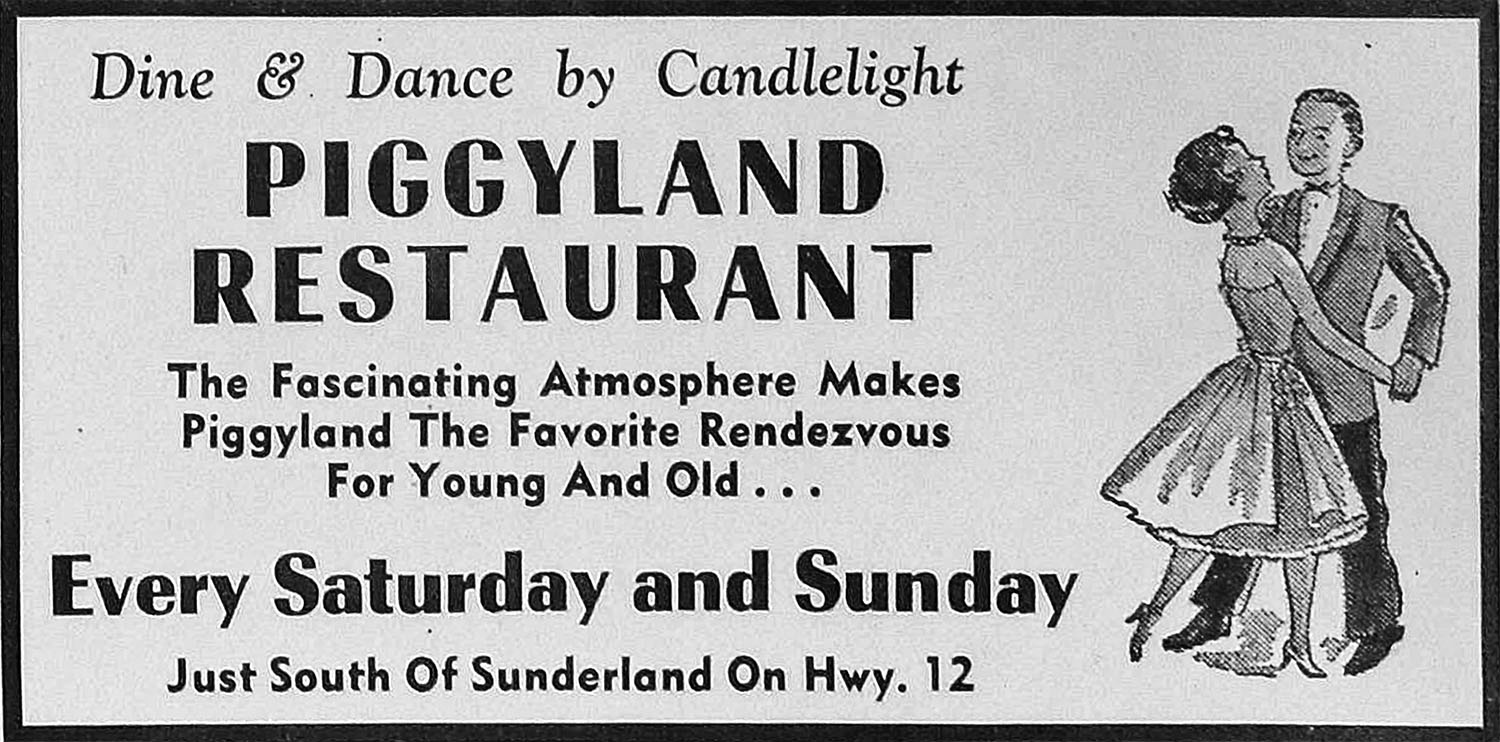
By Larry Doble
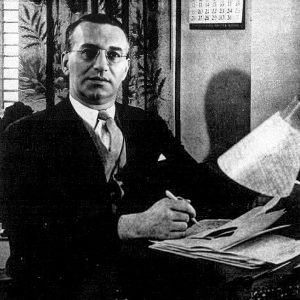
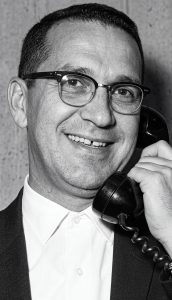
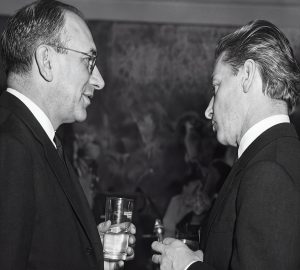
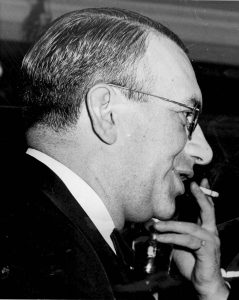
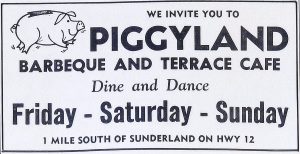
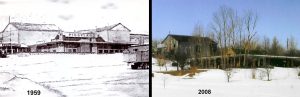
John Laun came to Sunderland, Ontario, about 1959. He had a wonderful plan for city folk who wanted to invest in an easy armchair money-making project. He called the venture Piggyland.
Investors purchased a sow for $92 and 6 months of feed for $45. John would look after the care of the sow and guaranteed a $60 profit on the sale of the sow and numerous piglets in 6 months. Early investors got paid dividends and quickly spread the news to future clients about this profitable scheme.
John Laun formed a company called the Associated Livestock Growers of Ontario, or in short ALGO Sunderland Limited. He personally bought the 94-acre farm from the Wilson family for $18,000 and immediately sold it to Piggyland for $85,000 using the investors’ money. He had his other company, Tula Construction Ltd., build all of the barns, pig houses, dance floor and restaurant at a huge profit, again using money from the investors.
Piggyland had about 75 workers, and many stayed in the Brock Hotel or were boarded in local homes. In the summer, some workers lived in the Ruddy School on the third concession of Brock. Most local businesses were paid for the supplies and equipment.
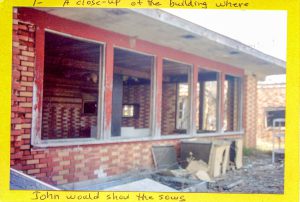
John set up a showcase building with glass display windows to draw in more investors. Many of the investors were from urban areas and came out on weekends to see their livestock. Adults could enjoy dining, dancing and gift shops, and for children, carts for Shetland pony rides, playgrounds and free ice cream. A changeable name tag on the pens helped you to identify the sow you bought. Once you left the viewing area, the name on the tag got a new name. There were supposed to be 18,000 sows in the system, but there were really only 1,500 animals on the site. Investors were paying for sows and feed that did not exist. John Laun spoke seven languages and easily produced ads all over the world to attract new immigrants to buy into his scheme. Those clients obtaining fantastic dividends readily convinced their friends and neighbours about this “sure thing“ investment.
Things started to go wrong when the sows began dying. Unheated pig pens, improper feed, malnutrition and disease were killing so many pigs that they were buried by bulldozers in huge pits. New pigs coming on site were overcrowded in trucks and often died on route due to heat and suffocation. Dividend cheques were overdue.
John Laun and his wife had gone on a business trip to Germany when news of the swindle hit the press. Over $1,800,000 had been taken in through investments, but in the account ledgers, only $250,000 in dividends and $650,000 in feed costs and other expenses were recorded. About 1,135 investors were now going to get one cent back on the dollar.
John Laun hired Peter Beekmann, a German and qualified swine specialist, to try to turn things around. Beekmann saw the horrible situation, and he immediately quit and warned authorities. His poor English skills and the fact that he was a new immigrant, however, made people tell him to not “rock the boat.“
The Bomb Shelter
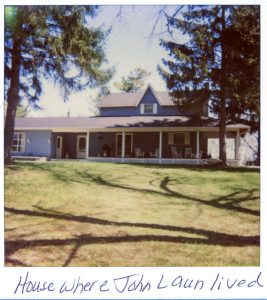
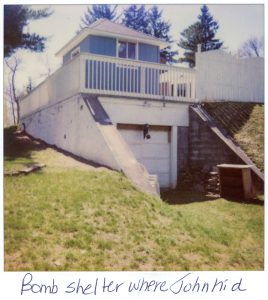
In 1962, John Laun owned a home in nearby Blackwater, just south of Sunderland. Fearing the worst at the time of the Cuban Missile Crisis, he had Tula Construction build a concrete bomb shelter in his basement. The shelter had a built-in vault, two safes and consisted of 5 rooms. It is rumoured that this is where he may have hidden when the RCMP came looking for him. Other stories suggest that he left for Mexico in a Cadillac three days before the fraud became public.
In 1965, John Laun was arrested and detained in Barcelona, Spain, at the request of the Canadian government. O.P.P officers were sent to Spain to interrogate him about the fraud while he was in prison. Unfortunately, John Laun used the money from his scheme to make bail and disappeared.
The Auction
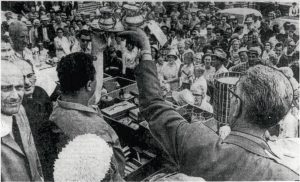
The auction was held on June 27,1963, and around 3,000 people were present. The revenue from the sale by Danbury Sales Ltd. of Toronto was about $70,000. Items included restaurant equipment, trucks, cars, a house trailer, farm machinery, household furniture and antiques from Laun’s 12-room Blackwater home, as well as 300 cases of canned food and $3,000 worth of liquor from the bomb shelter. In a panic, some investors went to Piggyland to get their pigs and learned that by Ontario law, they would have to pay for an investigation before they could obtain the livestock.
After Piggyland closed, the property was bought by Merlin “Mickey” Carley, and it was changed into a private rehabilitation centre called Sunnyhill to help those in need. A small factory was set up to generate income and produce and distribute a meat substitute for vegetarians. This venture by Carley Foods lasted only a short time. In the property sale advertisement, Mr. Carley was asking $55,000 for the 94-acre farm, which encompassed a brick bakery, an 18-room home, and 4 large barns.
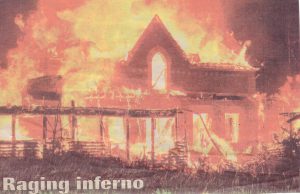
On early Wednesday morning on July 28, 1999, fire destroyed the main Piggyland building. Thirty firefighters from several stations fought the blaze. At a later date, other remaining structures were removed as a controlled practice burn exercise by the fire department to eliminate the potential hazards of the abandoned buildings.
The Play
Graeme Powell has written a play that will be presented at the Scugog Shores Museum by Theatre on the Ridge from September 9 to 20, 2026.
Promo 1
Promo 3
Promo 2
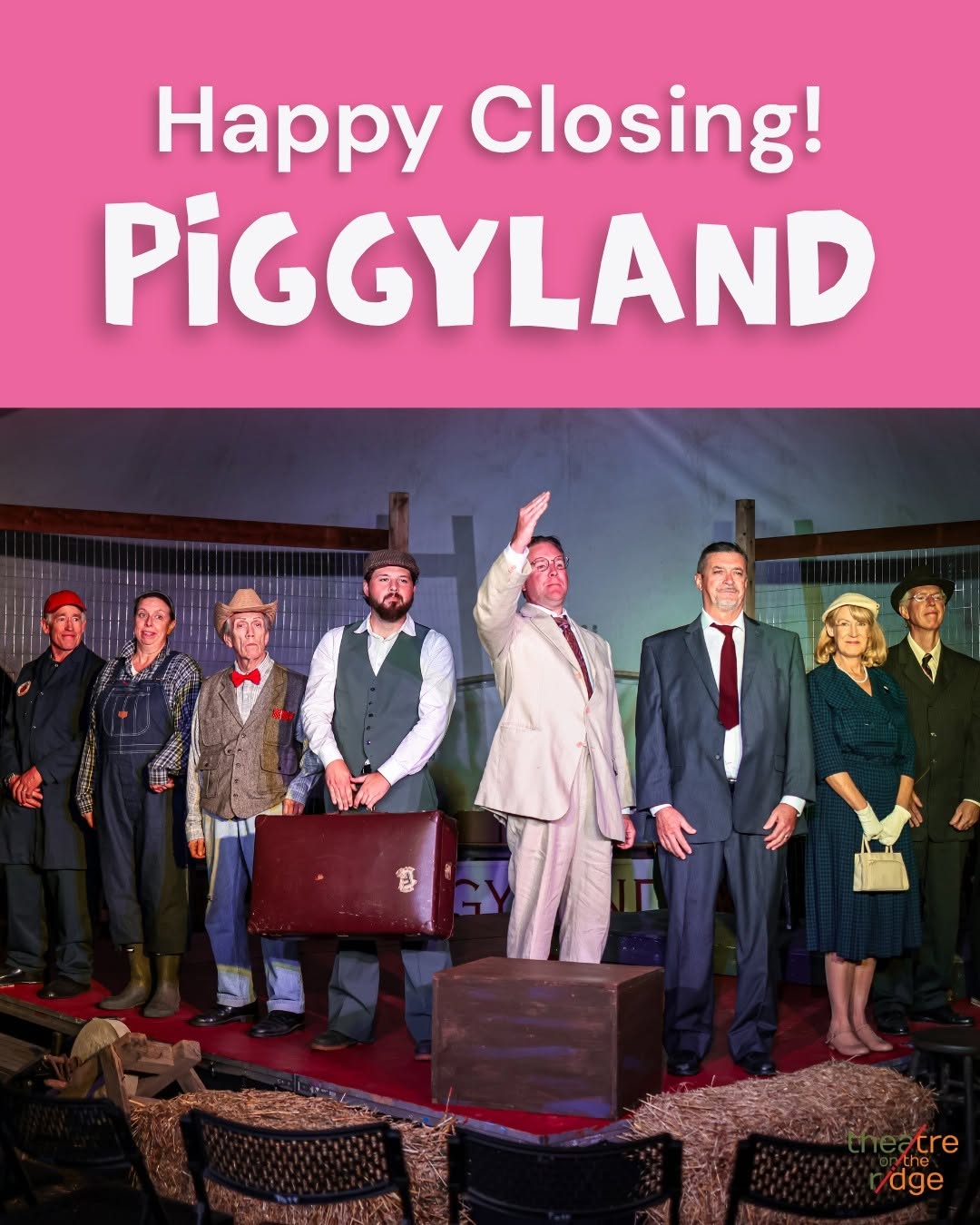
A play about Piggyland was developed at Sunderland Public School by Ron Woitzik’s Grade 8 class several years ago and presented at the Sunderland Town Hall.
Larry Doble
President Sunderland Historical Society.
- ALGO Pricing List
- 1963 McLean’s Magazine article, Piggyland McLeans