
Our speaker at the June 2, 2026 meeting was Jesse Gillis.
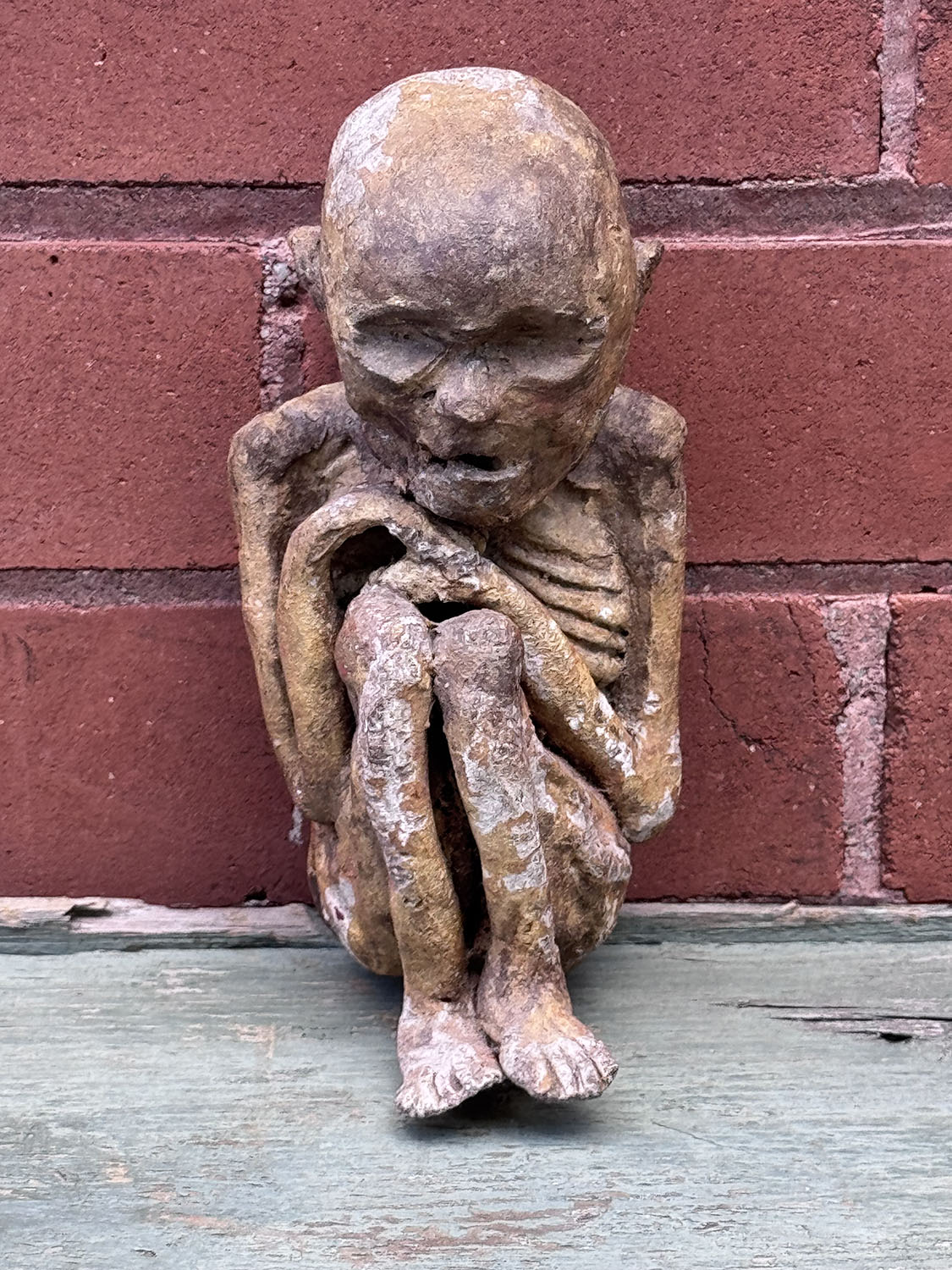
Kuman Thong (Thailand)
One of the most unusual artifacts I shared was a Kuman Thong from Thailand, a figure rooted in Thai folk beliefs. The name translates to “Golden Child,” and these talismans have traditionally been believed to bring their owner good fortune, prosperity, and protection. Historically, authentic Kuman Thong have a controversial and macabre origin tied to ancient spiritual practices, though modern examples are typically symbolic carvings or cast figures. The piece sparked fascinating discussion about how different cultures view spirituality, protection, and the supernatural through objects of material culture.
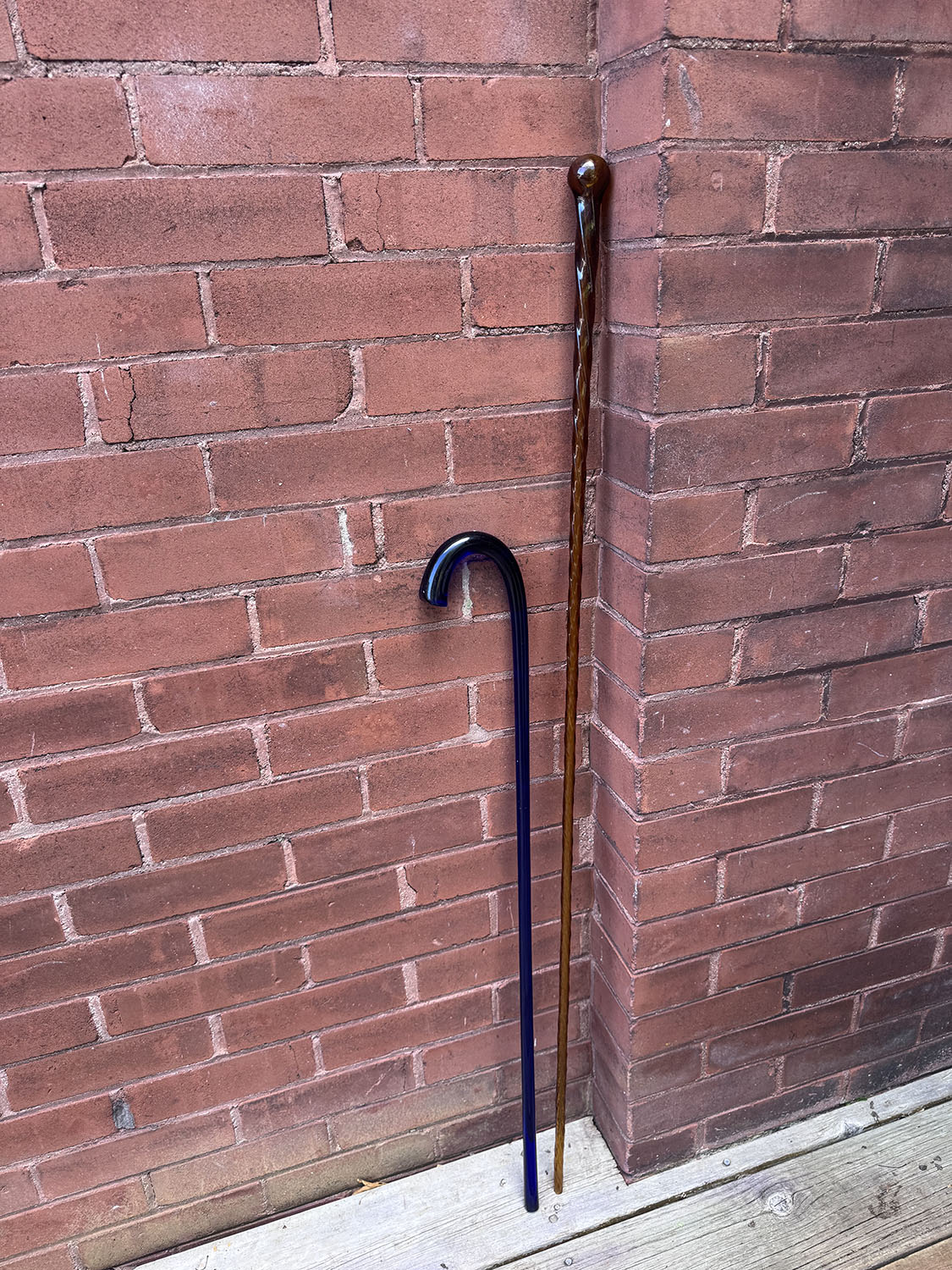
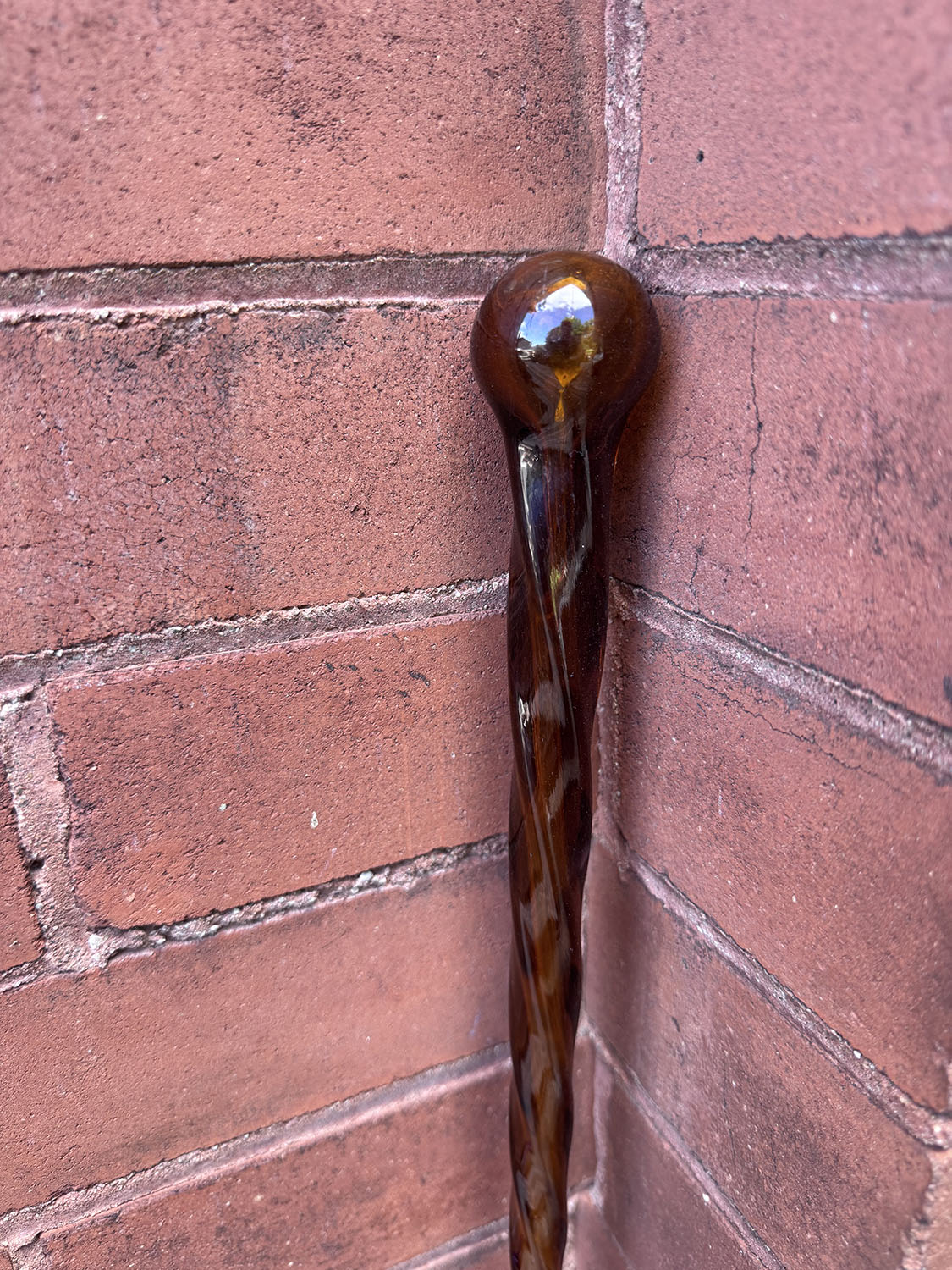
Burlington Glass Works Whimsies
Among the most fascinating pieces on display were two rare hand-blown glass walking sticks, known as “whimsies” or “friggers,” produced at the Burlington Glass Works in Hamilton, Ontario between 1874 and 1897. These unique objects were created by skilled glassblowers during breaks or after their regular shifts using leftover molten glass, allowing them to showcase their craftsmanship and creativity. Rather than serving as practical walking aids, whimsies were demonstrations of technical skill, with each piece entirely one of a kind. Today, surviving Burlington Glass Works whimsies are highly prized by collectors and museums as rare examples of Canada’s early industrial heritage and the artistry of Ontario’s pioneering glassmakers.
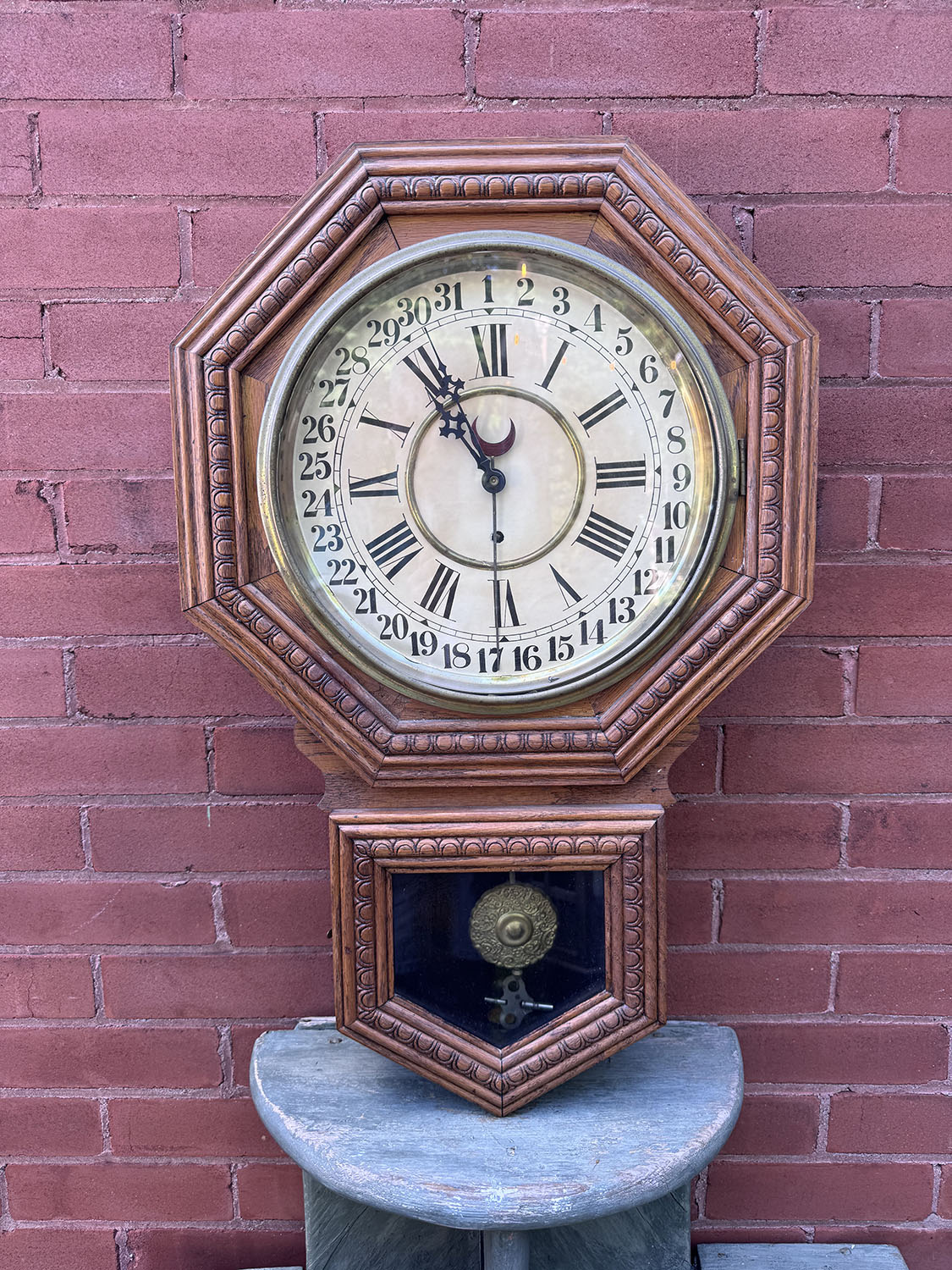
Halifax Explosion Calendar Clock
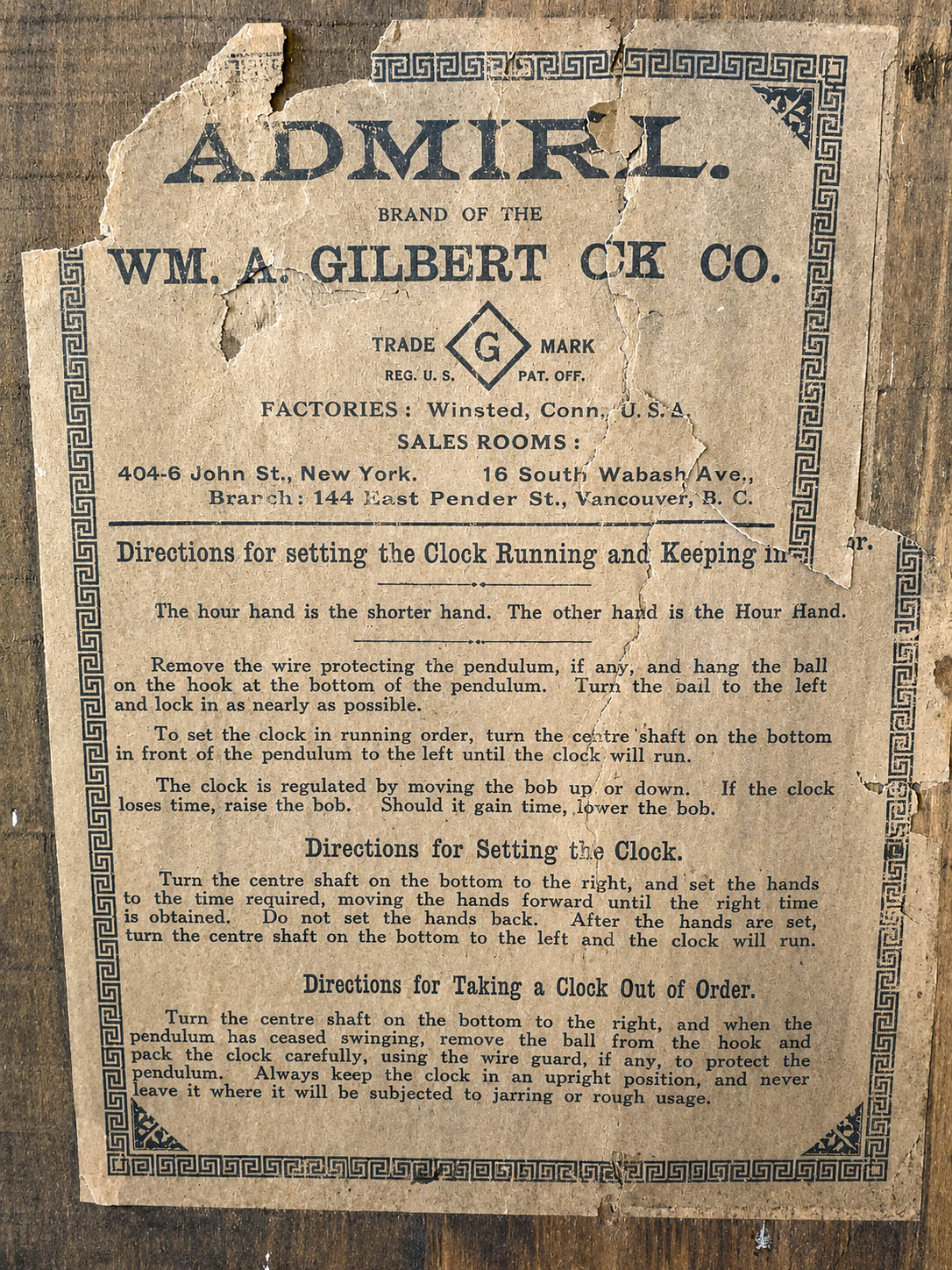
The final artifact was an early 20th-century oak calendar regulator clock that survived the devastating Halifax Explosion of December 6, 1917. According to its provenance, the clock hung in a local railway station when the blast occurred. While the original glass was shattered and has since been replaced, opening the case still reveals the lingering smell of smoke from the explosion more than a century later; a remarkable reminder of one of Canada’s greatest disasters. The clock stands not only as a functional timepiece but as a tangible witness to history, carrying with it a story of survival, resilience, and the enduring power of preserving artifacts with documented provenance.
It appears this is an “Admiral” model made by the Williams L. Gilbert Clock Co and from the US, however there was a branch in Vancouver. This model was produced from 1900-1932 .
Gilbert was one of the more well-known Connecticut River Valley clock manufacturers that benefitted from the region’s technical dominance. During the mid to late 1800s, this was America’s “Silicon Valley” during most of the first Industrial Revolution. Close proximity to New York and Boston gave manufacturers access to investment capital and the deep-water ports for exporting merchandise, and a well-established rail network made it easy to move goods inland. The Connecticut River powered much of the region’s early industry, although the steam engine had effectively taken over that role by the time William Gilbert came along.
Interesting that Gilbert had an office in Vancouver. Would have expected his Canadian office to be in Toronto or Montreal, but by this time British Columbia had been part of Confederation for a few decades and westward expansion in Canada was alive and well.